

Algorithmic Cost-Shock Socialization: How Big Tech Weaponizes Geopolitical Volatility
Algorithmic Cost-Shock Socialization: How Big Tech Weaponizes Geopolitical Volatility
Over the past 15 years tracking global supply chain digitization, I have rarely seen a macroeconomic shock transmit to micro-level unit economics as violently as the current energy crisis triggered by the Iran conflict. When Brent crude spiked past $120 per barrel following the Strait of Hormuz disruption, the true story wasn't the oil market—it was the 48-hour window in which mega-platforms executed a 3.5% automated fuel surcharge across their captive merchant networks. This mechanism, algorithmic cost-shock socialization, represents a structural shift in how tech intermediaries insulate their own margins by pushing systemic volatility directly onto third-party sellers. By analyzing the algorithmic pricing frameworks detailed in recent Federal Trade Commission and European Commission inquiries, we can map exactly how this risk transfer operates in real-time.
The Architecture of Automated Risk Deflection
Real-Time API Triggering During Energy Crises
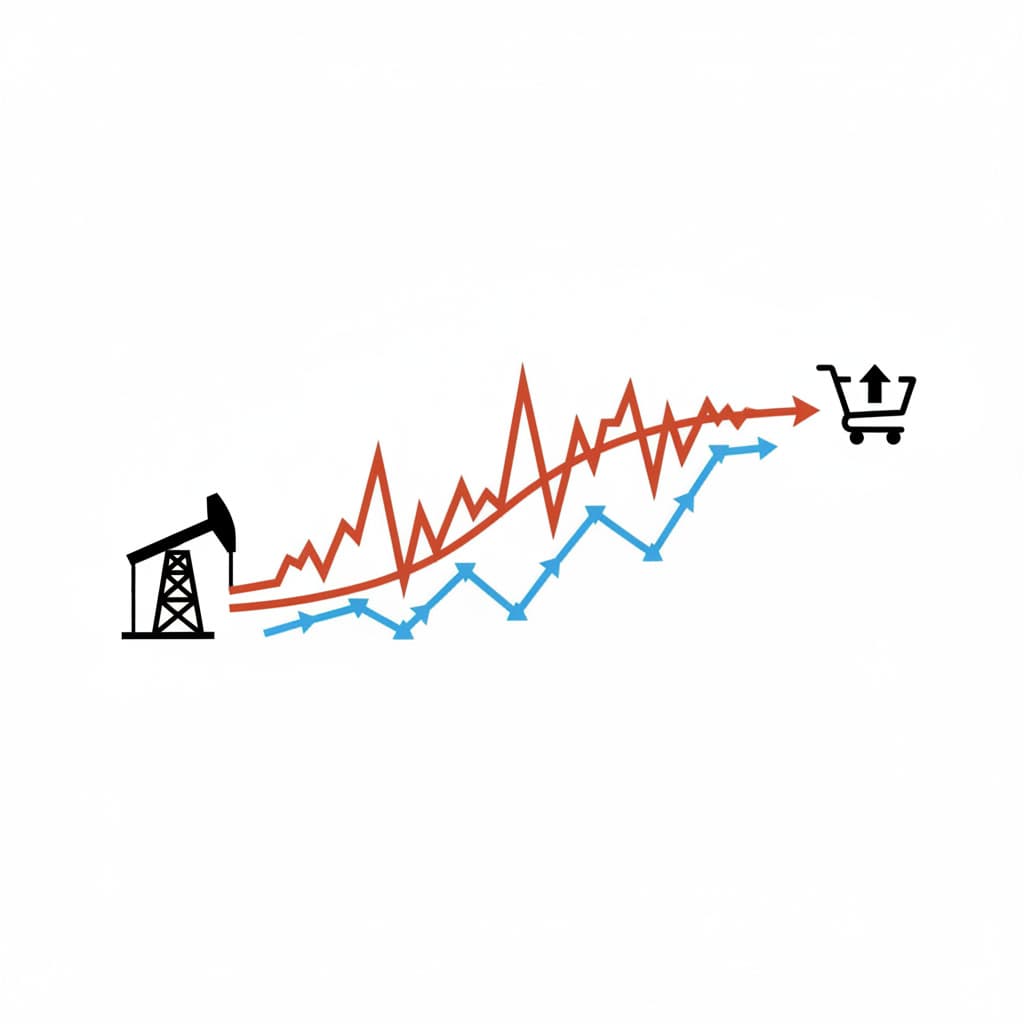
Systemic risk historically took months to pass through the supply chain. Today, it takes milliseconds. Digital platforms utilize sophisticated APIs hooked into global commodity indexes and freight rate databases. When the Iran conflict caused a sudden deliverability crisis in Asian trading hubs and constrained global crude, logistics algorithms instantly detected the variance. These systems are programmed with strict margin-preservation thresholds. The moment external costs—such as bunker fuel or air freight—cross a predefined tolerance band, the API triggers a network-wide recalibration of merchant fees.
Dynamic Surcharge Algorithms in the Fulfillment Network
Rather than absorbing temporary shocks, platforms deploy dynamic surcharge algorithms that instantly append fees to the fulfillment network. These algorithms do not evaluate the individual seller's profit margins; they strictly calculate the platform's exposure. By dynamically adjusting the baseline cost of pick, pack, and ship services based on real-time macroeconomic data, the platform ensures its operational ledger remains perfectly insulated from geopolitical volatility.
Margin Insulation at the Expense of Captive Merchants
Why Third-Party Sellers Absorb the Entire Geopolitical Spread
The architecture of modern e-commerce heavily favors the platform operator. Third-party sellers rely entirely on platform-controlled infrastructure for visibility, payment processing, and fulfillment. When a surcharge is algorithmically deployed, merchants lack the leverage to negotiate. They must either absorb the entire spread of the geopolitical shock or attempt to raise retail prices—a move that often triggers the platform's own price-competitiveness algorithms, which suppress the visibility of items deemed too expensive relative to off-platform benchmarks.
The Collapse of Predictable Unit Economics
Predicting inventory costs relies on stable fulfillment fees. When algorithms introduce volatile, unannounced surcharges, unit economics break down. A product sourced, manufactured, and shipped under one set of financial assumptions suddenly becomes unprofitable at the point of final delivery. This automated socialization of cost shocks forces merchants to hold larger cash reserves and reduces their capacity to invest in new product development, effectively stifling micro-level innovation.
Amazon's Immediate Response to the Iran Energy Disruption
Tracking the 48-Hour Fulfillment Fee Escalation
The April 2026 energy disruption serves as a precise implementation model. As rising fuel costs tied to the Middle East conflict pressured supply chains, Amazon announced a 3.5% fuel and logistics surcharge on merchants' fulfillment fees. Averaging $0.17 per unit in the U.S., this levy was applied to Fulfillment by Amazon (FBA) and soon extended to Multi-Channel Fulfillment and Buy with Prime. The speed of this implementation demonstrates the efficiency of algorithmic cost-shock socialization. The platform absorbed the initial friction for only a brief period before the algorithms systematically distributed the burden across millions of independent sellers.
Comparative Analysis: First-Party vs. Third-Party Cost Burden
To understand the asymmetry of this risk transfer, we must examine how costs are distributed between the platform's owned retail operations (First-Party) and its independent merchant network (Third-Party).
The Incentive Map: Who Absorbs Systemic Friction
Platform Monopolies vs. Independent 3PLs
Evaluating algorithmic pricing models requires a strict accounting of ecosystem incentives. The platform operator maintains pristine quarterly margins by converting fixed fulfillment infrastructure into a variable-cost weapon, shifting macroeconomic risk entirely off its balance sheet. Independent third-party logistics (3PL) providers, conversely, operate on fixed-term contracts and cannot arbitrarily socialize costs without risking client churn.
The Ultimate Cost to the Consumer
The captive merchant acts as the shock absorber for global volatility, unable to easily migrate away from the platform due to locked-in inventory and customer acquisition dependencies. Ultimately, the consumer pays the price. This manifests either through degraded product quality as merchants cut corners to survive the margin compression, or through direct retail price inflation once merchants are forced to pass the algorithmic surcharges downstream.
Regulatory Blind Spots in Algorithmic Pricing Models
Antitrust Implications of Forced Cost Socialization
Regulators are just beginning to understand that algorithms do more than optimize—they enforce structural dominance. The European Commission and the UK's Competition and Markets Authority (CMA) have recently escalated their scrutiny of algorithmic pricing, recognizing that shared software and automated data feeds can facilitate market manipulation. However, current antitrust frameworks are largely designed to catch horizontal collusion between competitors, not vertical cost-socialization forced by a monopolistic intermediary onto its supply base.
Emerging Legal Frameworks for Merchant Protection
Looking toward the second half of 2026 and subsequent quarters, regulatory bodies are shifting their focus from consumer price-fixing to B2B algorithmic fairness. The FTC's ongoing 6(b) surveillance pricing study highlights the opaque nature of intermediary pricing tools. Future frameworks will likely require platforms to provide transparent algorithmic auditing and mandatory notice periods before altering fulfillment economics.
Final Verdict on Automated Risk Offloading
The weaponization of geopolitical volatility through algorithmic pricing is a defining feature of the modern digital economy. When energy markets fracture, tech monopolies do not bleed; they write code to ensure their merchants bleed instead. Until regulatory frameworks treat vertical algorithmic surcharges as a form of market abuse, third-party sellers will remain the uncompensated shock absorbers of global macroeconomic instability. Strategic merchants must aggressively diversify their fulfillment networks and build independent logistics capabilities to survive the next automated cost shock.
Frequently Asked Questions
What exactly is algorithmic cost-shock socialization?
It refers to the automated practice where monopolistic platforms use dynamic pricing algorithms to instantly pass systemic macroeconomic costs, such as sudden energy spikes, down to third-party merchants, completely insulating the platform's own profit margins.
How can third-party sellers hedge against
Loading comments...
Related
View all →