
Crypto
Sovereign Blackout Liquidity: How Nation-States Move Capital When the Grid Goes Dark
March 14, 2026
...


Institutional capital allocators and banking executives face a terminal risk: deploying nine-figure budgets into front-end payment wrappers while the foundational settlement layer of global commerce shifts entirely beneath them. If your firm is modeling cross-border payment margins based on legacy SWIFT latency and Nostro/Vostro liquidity traps, your underlying assumptions are already obsolete. I will analyze the architectural pivot from correspondent banking to direct blockchain settlement, utilizing the newly launched Mastercard Crypto Partner Program and Wells Fargo's March 2026 trademark filing for 'WFUSD' as barometers for the definitive normalization of payment-layer blockchains.
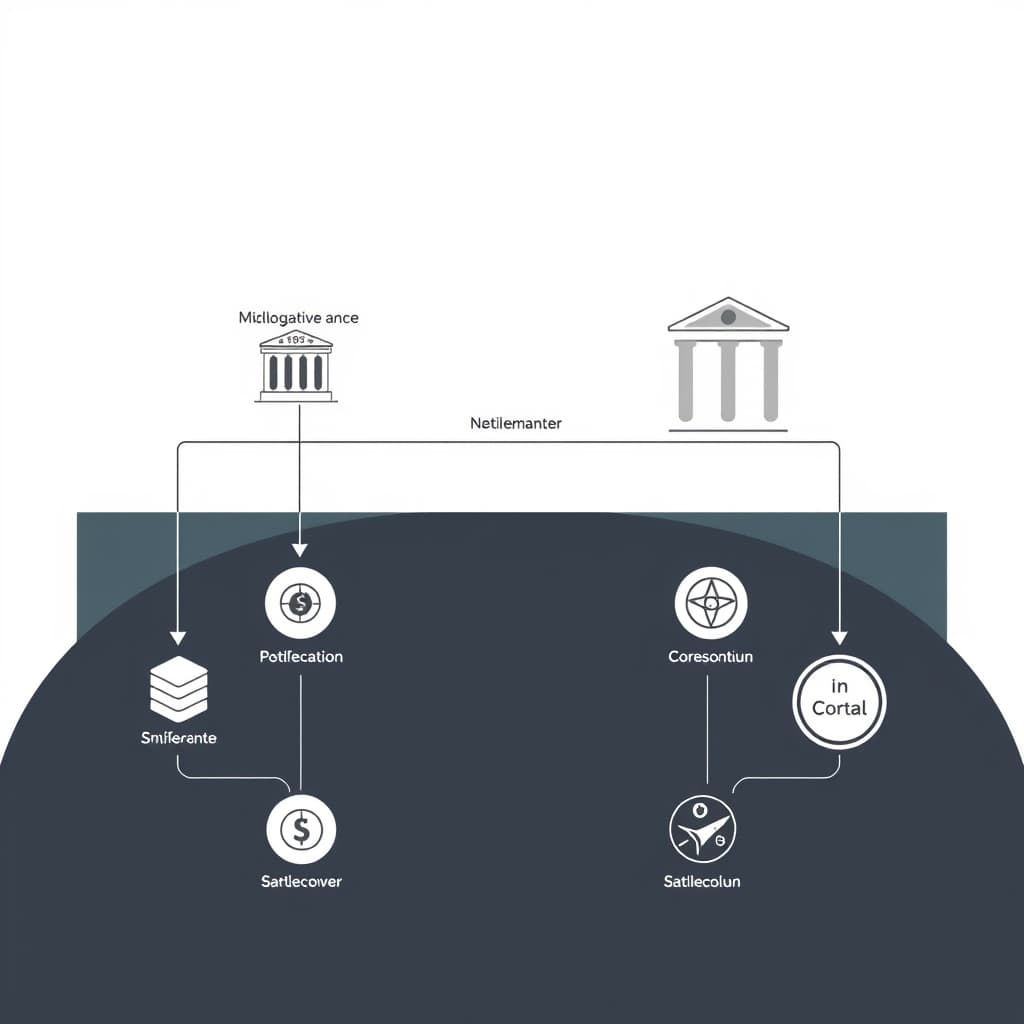
The traditional cross-border payment architecture is a fragmented messaging system masquerading as a settlement network. When a transaction moves from a regional bank in Asia to a corporate account in North America, it bounces through a labyrinth of intermediary correspondent banks. Each hop introduces latency, counterparty risk, and fee extraction. Institutions are forced to park trillions of dollars in dormant Nostro and Vostro accounts globally just to guarantee liquidity.
Blockchain integration dismantles this entirely. By replacing asynchronous messaging with a shared, immutable ledger, institutions achieve atomic settlement. The transaction and the clearing of funds occur simultaneously. This is not a theoretical
Loading comments...