Chokepoint Energy Arbitrage: How Shadow Fleets Defy Naval Blockades
Chokepoint Energy Arbitrage: How Shadow Fleets Defy Naval Blockades
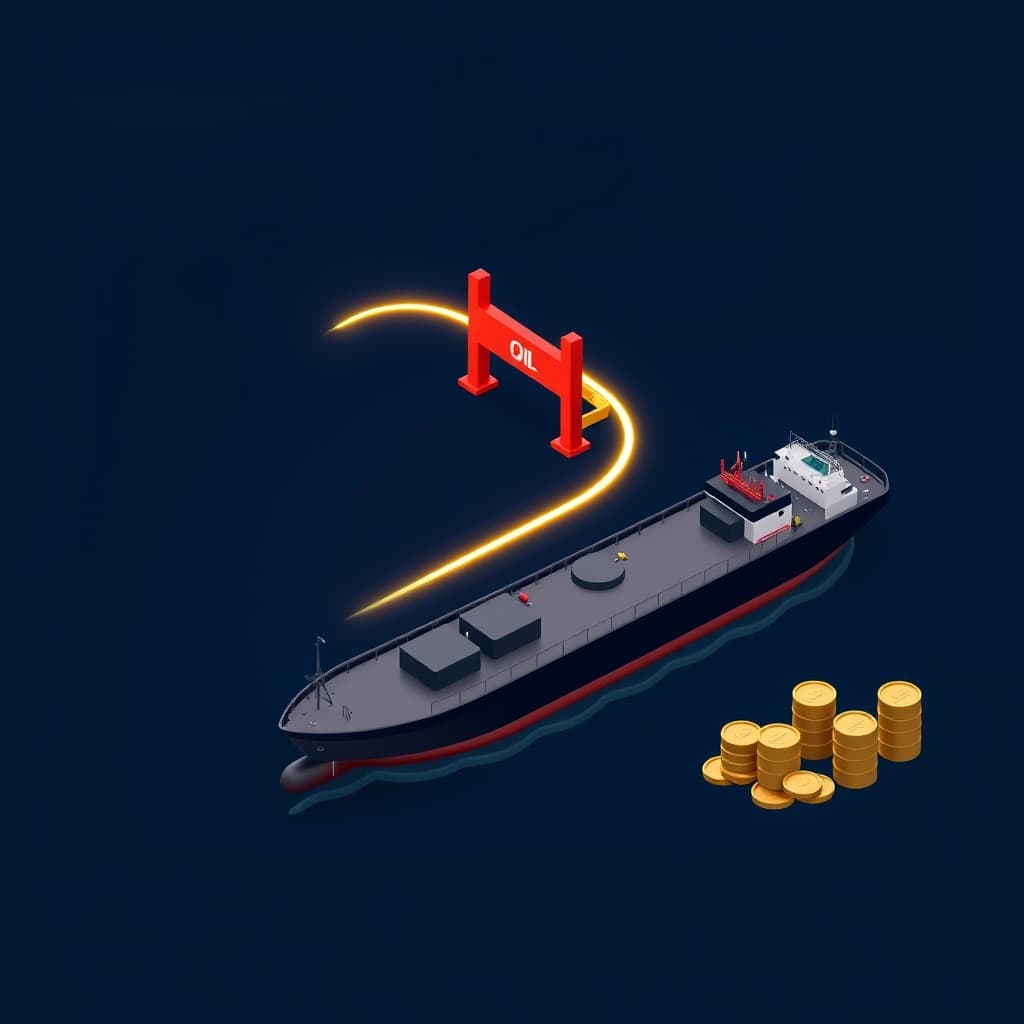
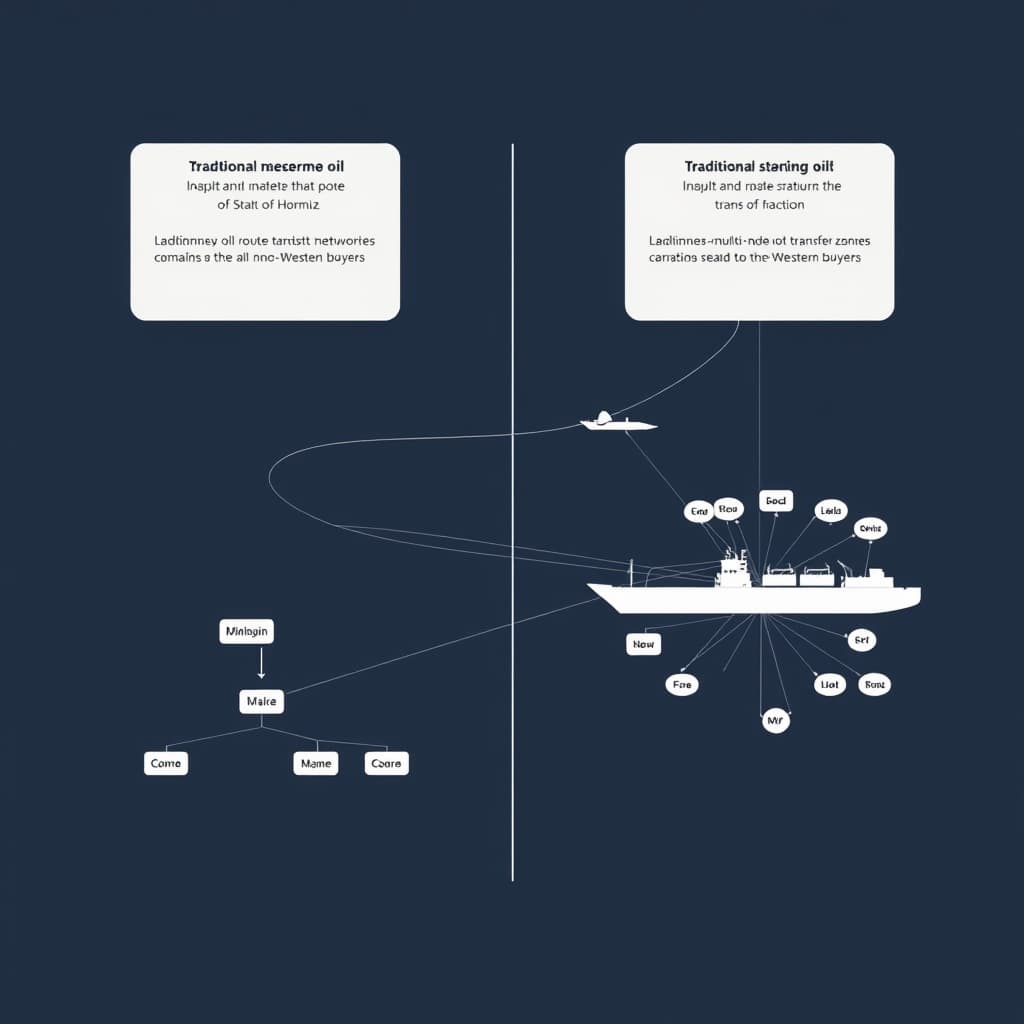
By early 2026, a staggering 12% of global sea-borne trade is being managed by a clandestine network of over 1,300 aging vessels operating entirely outside Western regulatory frameworks (European Policy Centre). This metric shatters the foundational assumption of modern geopolitics: that naval supremacy guarantees control over global energy flows. Even as physical blockades and active mining disrupt the Strait of Hormuz—a chokepoint historically processing 20 million barrels of oil per day (U.S. Energy Information Administration)—adversarial nations are successfully maintaining their export volumes. Applying a network-theory framework to my 15 years of industrial supply chain analysis, it becomes evident that we are no longer looking at temporary smuggling operations. We are witnessing the maturation of chokepoint energy arbitrage—a highly resilient, parallel logistics ecosystem that structurally reprices geopolitical risk. Traditional maritime oil routes are being rapidly replaced by complex, multi-node transit networks and ship-to-ship transfer zones designed to reach non-Western buyers.
The Mechanics of Maritime Sanctions Evasion
The architecture of this parallel supply chain relies on exploiting the seams in international maritime law. Rather than confronting naval blockades directly, shadow fleets utilize spatial and financial misdirection to ensure continuous commodity flows.
Spoofing AIS and Dark Ship Transfers
The most visible tactic of the shadow fleet involves the manipulation of Automatic Identification Systems (AIS). Vessels routinely broadcast false coordinates—a practice known as spoofing—to create phantom trajectories while the physical ship diverts to a restricted port. Once loaded, these aging tankers rendezvous in open waters to conduct ship-to-ship (STS) transfers. Moving millions of barrels of crude between vessels in the open ocean obscures the origin of the cargo. A sanctioned vessel offloads to a "clean" ship, which then delivers the blended product to international markets. This operational model drastically increases the risk of environmental disasters, as these vessels often lack proper maintenance and recognized Protection and Indemnity (P&I) insurance.
Financial Obfuscation via Non-Dollar Denominations
Physical evasion is only half the equation; the financial settlement must also bypass the SWIFT network and US dollar hegemony. Traders orchestrating these movements increasingly rely on non-dollar denominations, utilizing the Chinese Yuan, Indian Rupee, or gold-backed barter systems. By clearing transactions through regional banks in friendly jurisdictions, the financial footprint of the trade is erased from Western oversight. This localized clearing mechanism effectively subsidizes the shadow fleet, providing the liquidity needed to acquire older tankers and pay exorbitant crew premiums for hazardous voyages.
The Strait of Hormuz Bypass: A Logistics Masterclass
To understand the practical application of chokepoint energy arbitrage, we must examine the ongoing crisis in the Strait of Hormuz. Following the escalation of the 2026 regional conflict, commercial transit through this critical artery effectively halted. Yet, the anticipated catastrophic supply shock was partially mitigated by a masterclass in alternative logistics.
Overland Pipelines and Alternative Port Infrastructure
Producers anticipated this vulnerability and activated dormant or underutilized terrestrial infrastructure. Saudi Arabia maximized the throughput of its 750-mile East-West pipeline, diverting up to 7 million barrels per day to the Yanbu port on the Red Sea. Concurrently, the UAE routed crude through the Habshan-Fujairah
Loading comments...
Related
View all →
Asymmetric Chokepoint Contagion: How the Hormuz Blockade is Rewiring Tech Equities